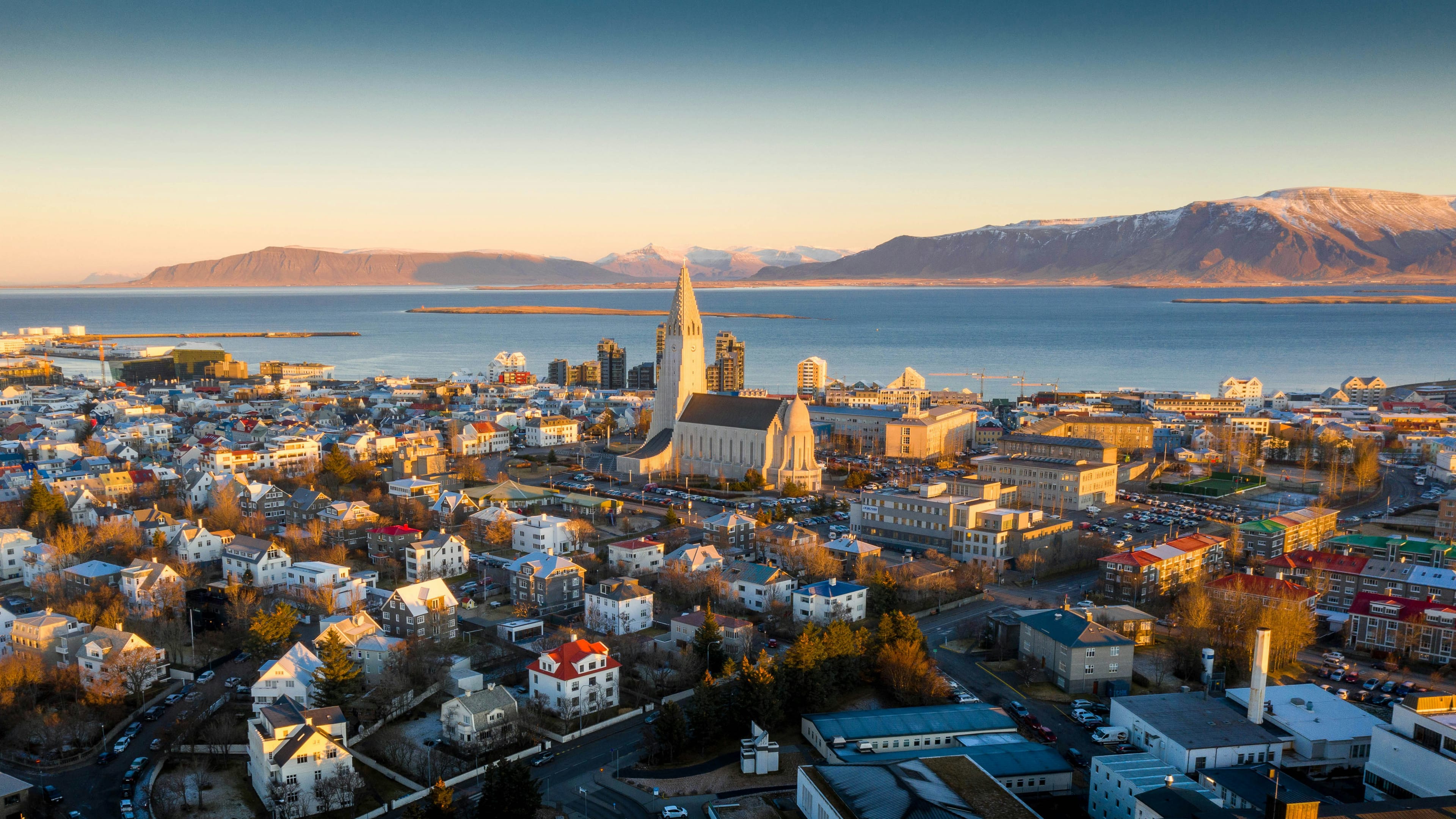
Reykjavík does not compete for attention. In a country defined by waterfalls, glaciers, and cinematic landscapes, Iceland’s capital operates differently. It is compact, design-conscious, and shaped less by spectacle than by ritual.
If you want to do Reykjavík right, do not treat it like a pit stop on the way to somewhere else. Do as the locals do, slow down, linger over coffee, head to the geothermal pool even if it is snowing sideways, book dinner late and let it turn into drinks, then walk along the water at 10pm when the light still refuses to leave.
Keep reading for a local guide on where to check in, book a table, and order a drink.
Where To Stay
Reykjavík does not do mega hotels. The scene is small, design-forward, and intentional, much like the city itself. Stay central, and you can walk everywhere, from the harbor to Laugavegur to dinner, without ever opening a ride share app. In a place this compact, your hotel is not just where you sleep, it sets the pace for your whole stay.
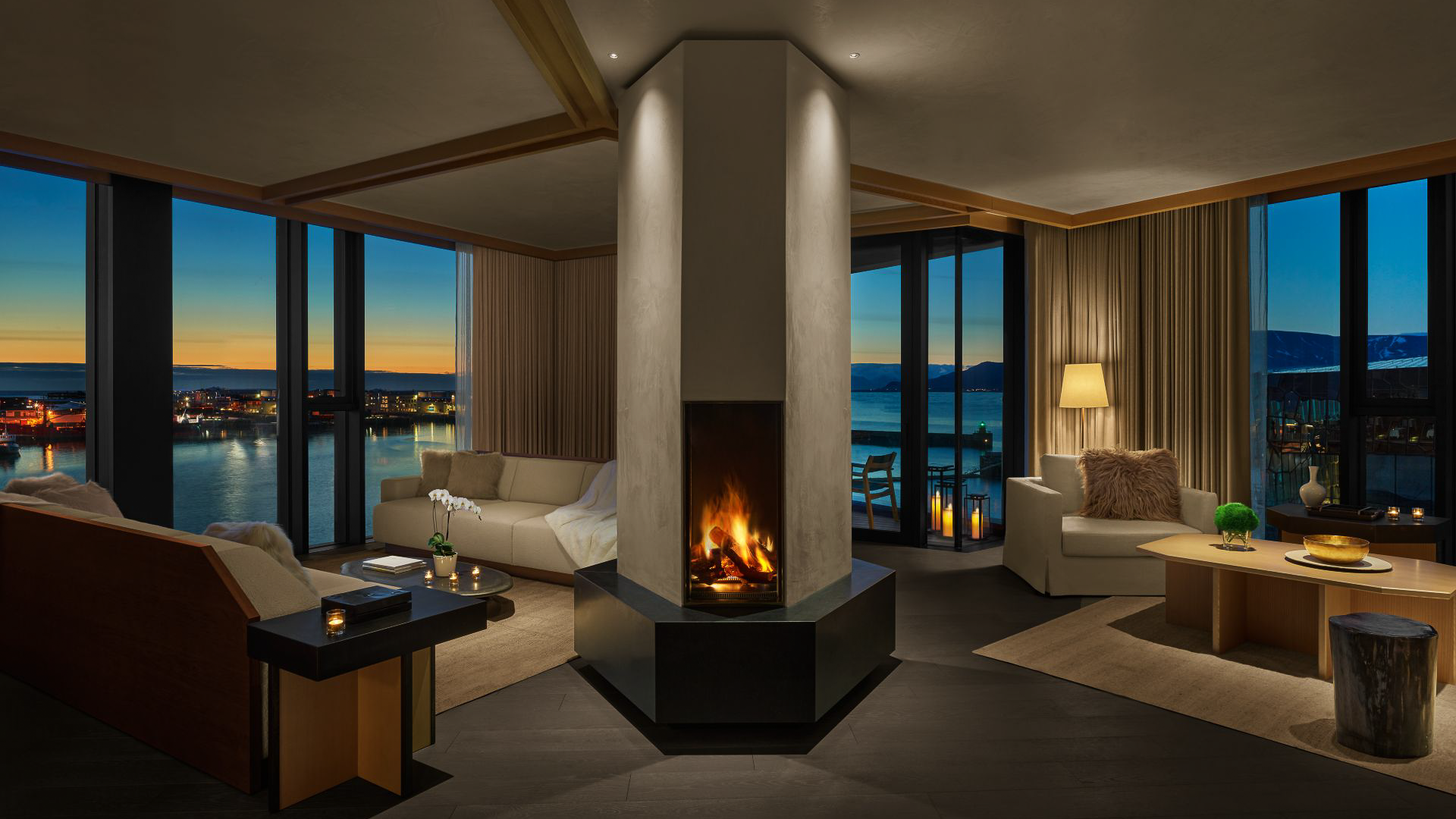
Image credit: The Reykjavík EDITION
The Reykjavik EDITION: Right on the harbor, this modern hotel anchors the city’s quieter luxury scene, with a destination restaurant and rooftop that feel current without trying too hard. Everything downtown is just steps away.
Tower Suites Reykjavik:
Set high above the shoreline, this is Reykjavík at its most minimalist. Floor-to-ceiling windows frame the ocean and distant mountains, and mornings here feel almost cinematic. Slightly removed from the center, but the perspective is worth it.
101 Hotel:
If you want to feel plugged into downtown, this is the move. Moody interiors, contemporary art, and a bar that actually fills up at night. You walk out the door and you are in it, shops, galleries, late dinners, all within a few minutes. It feels less like visiting and more like temporarily living here.
Where To Eat
Reykjavík’s dining culture is defined by proximity to the ocean, to local farms, to seasonal shifts. Seafood is foundational, but global influence is unmistakable.
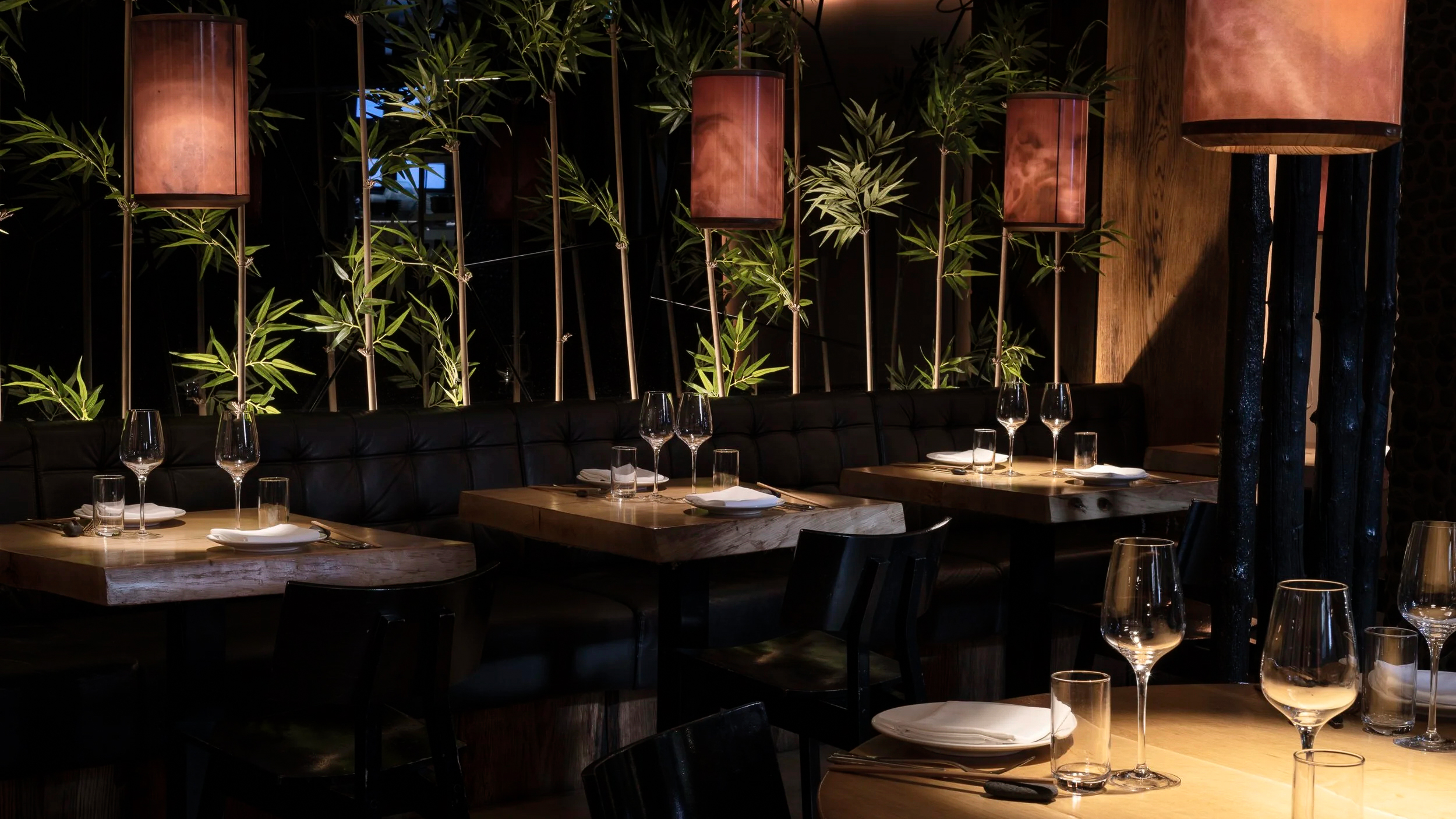
Image credit: Fiskmarkaðurinn
Sushi Social:
A longstanding favorite that remains relevant. The sushi is playful and precise, with extravagant rolls balanced by excellent fish and meat dishes. It is equally suited for celebration or a spontaneous dinner that turns into something longer.
Fiskmarkaðurinn: Located in one of downtown’s older buildings, this is where Icelandic seafood feels elevated without losing its identity. The miso black cod remains a standout.
Grillmarkaðurinn: Designed around Iceland’s raw materials, from stone to timber, the space mirrors the landscape outside. The tasting menu is the move. It delivers the full range of what Icelandic ingredients can do when handled with confidence.
Steikhúsið:
For those curious about traditional proteins, this is where heritage appears on the plate. The Icelandic surf and turf, horse and whale, reflects history more than novelty, served in a candlelit, classic setting.
Coffee As Culture
Coffee in Iceland is not incidental. It structures the day. The concept of kaffitími, literally “coffee time”, is embedded in both work and social life. Meetings pause for it. Conversations begin with it. Weather, whether bright or brutal, reinforces it.
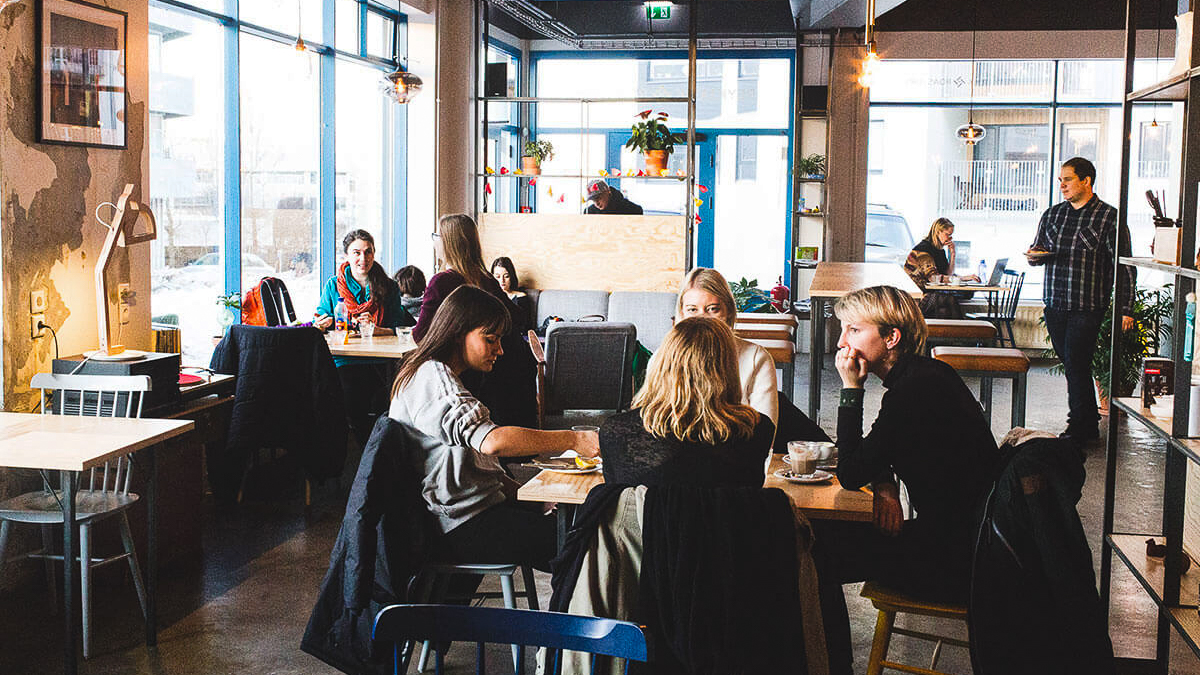
Image credit: Reykjavík Roasters
Reykjavík Roasters:
Minimal in design, serious about their bean sourcing, and consistently filled with locals.
Mokka Kaffi:
Open since 1958, this is where espresso culture took root in the capital. Order waffles with jam and cream and expect to stay longer than planned.
Kaffibrennslan:
Centrally positioned on Laugavegur, ideal for an unhurried afternoon and quiet people-watching.
In Reykjavík, lingering over coffee is not indulgent. It is standard.
Bakeries
Bread anchors Icelandic life. It accompanies coffee, anchors lunch, and elevates dinner. The standard is high, particularly when it comes to sourdough, which has become something of a quiet national specialty.
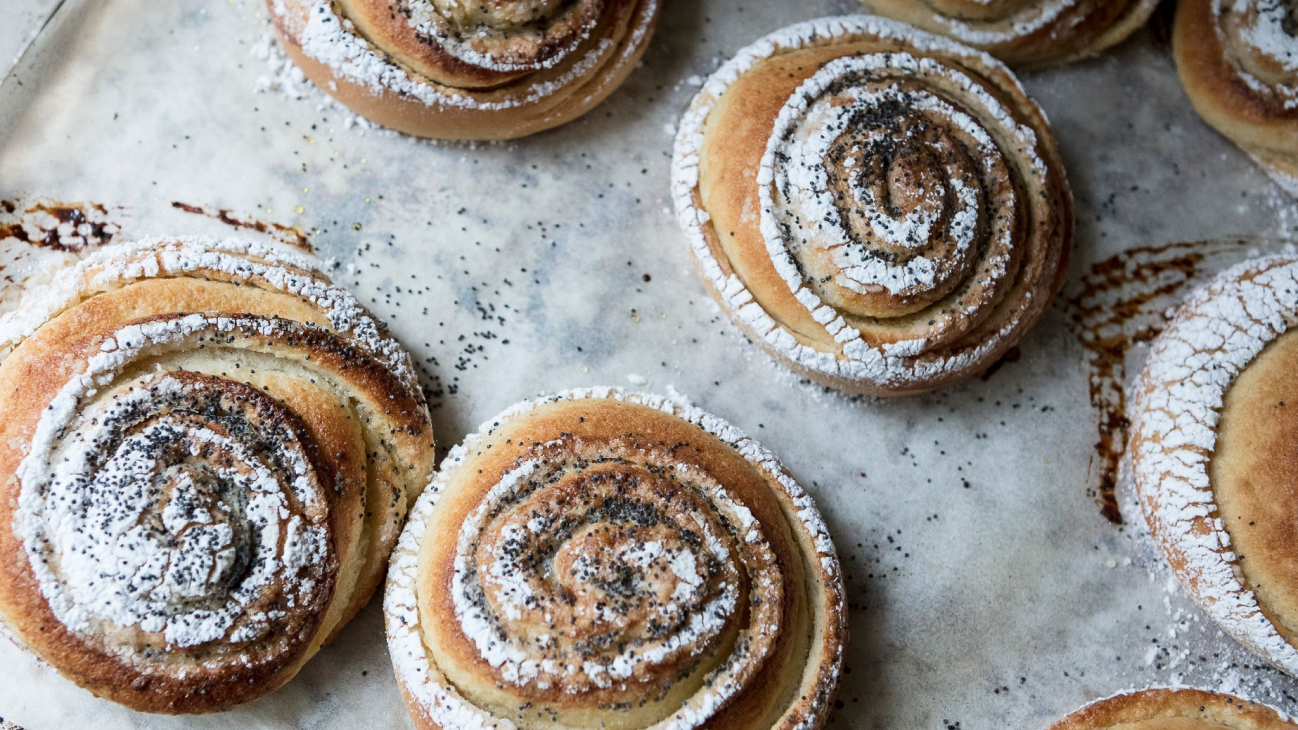
Image credit: Brauð & Co
Brauð & Co:
Known for cinnamon rolls that sell out early and the scent that drifts down the street.
Sandholt:
Family-run since 1920 and widely respected for its pastries and sourdough. The crust alone justifies the visit.
Brikk:
A reliable lunch spot where soup of the day comes with thick slices of sourdough and thoughtfully prepared salads.
Seek out a kleina, the twisted fried pastry that balances simplicity and comfort, and a snúður, Iceland’s oversized cinnamon roll. Icelandic sourdough deserves particular attention: crisp exterior, airy interior, and integral to nearly every table.
Geothermal Ritual: From Spa Experience to Neighborhood Pool
Geothermal water is not a luxury in Iceland; it is infrastructure. Visitors often gravitate toward large-scale spa experiences, but locals default to neighborhood pools.
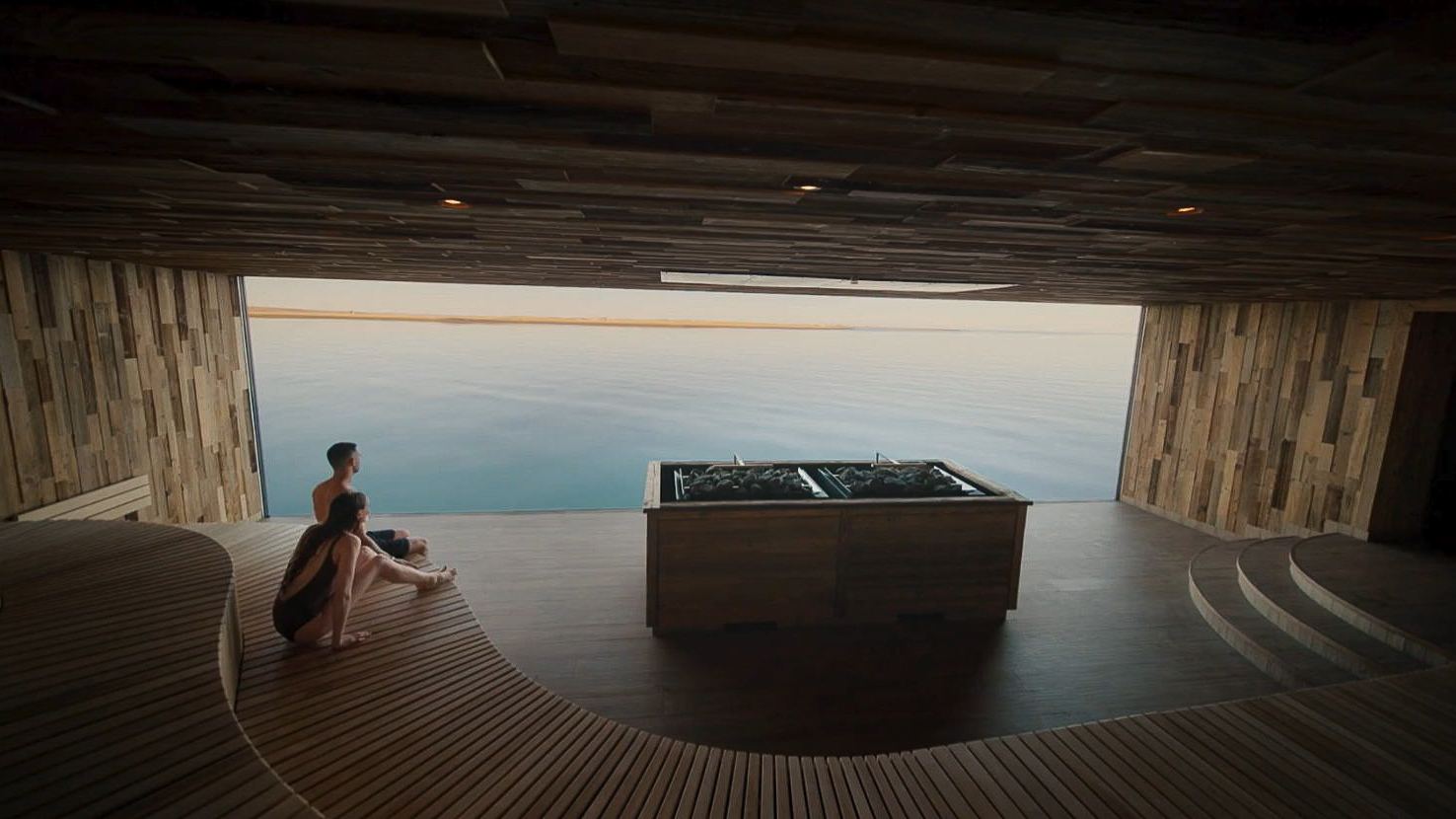
Image credit: Sky Lagoon
Just outside the capital, Sky Lagoon integrates seamlessly into coastal lava fields. Its seven-step ritual, alternating cold, heat, steam, and scrub, feels restorative without excess. The panoramic sauna alone reframes the coastline.
For something more authentic, head to the pools:
Sundhöll Reykjavíkur
Laugardalslaug
Vesturbæjarlaug
Here, hot tubs replace cafés as gathering spaces. Conversations range from weekend plans to politics. Snowfall is irrelevant. Showering without a swimsuit beforehand is mandatory. It is communal, practical, and entirely normal.
Laugavegur and the Icelandic Design Language
Laugavegur is where Reykjavík really breathes — grab a coffee, wander its authentic boutiques, and don’t be surprised if a random Tuesday night turns into a story you’ll tell for years.
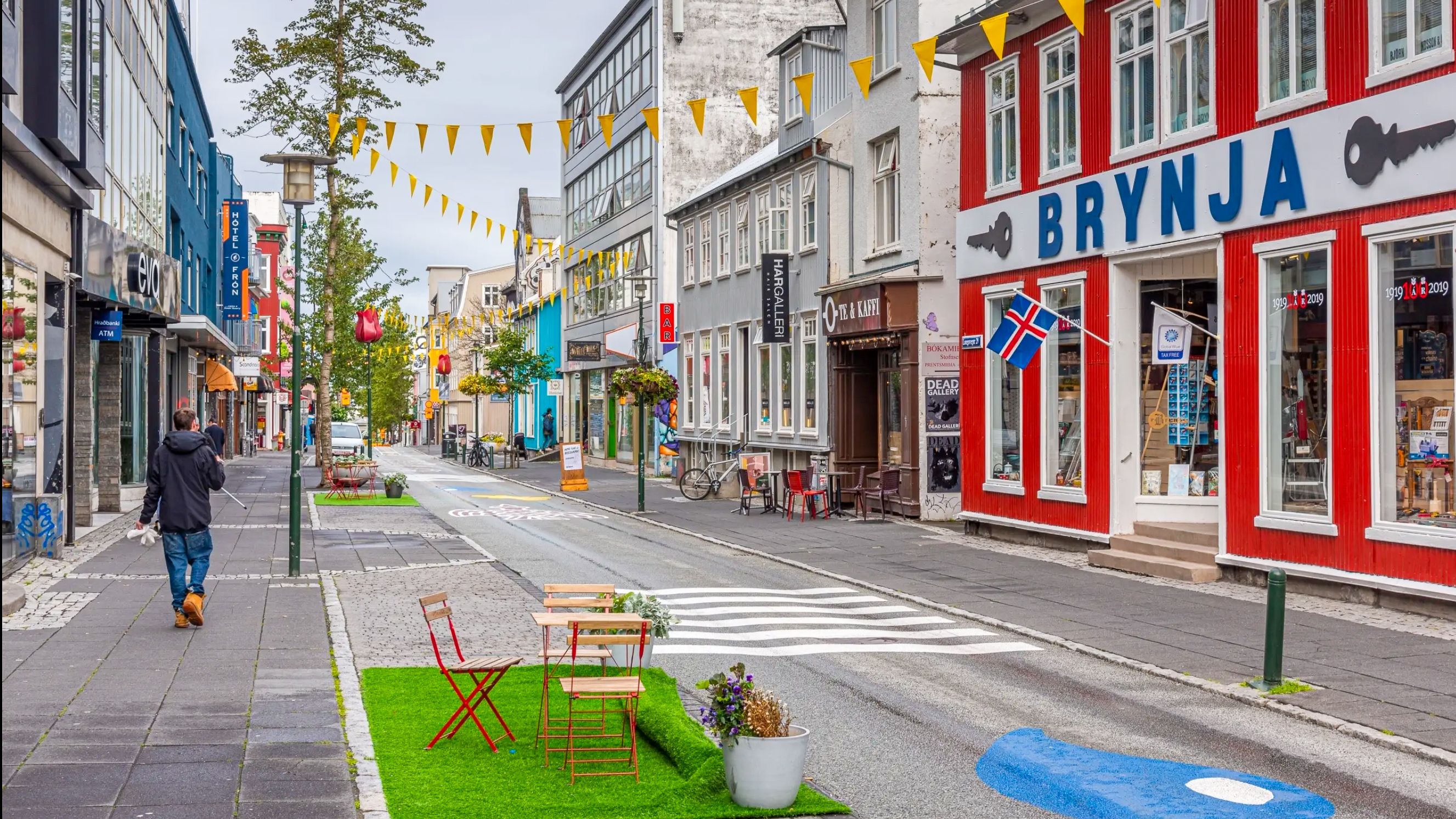
Image credit: Guide to Iceland
Laugavegur remains the city’s central artery, now largely pedestrian and easy to navigate slowly. It reflects how Reykjavík dresses and designs: functional, layered, restrained.
At Epal, Scandinavian principles lead, clean lines, thoughtful materials, and an emphasis on longevity.
The traditional lopapeysa sweater, distinguished by its circular wool pattern, has been worn in Iceland for generations. Once essential for fishermen and farmers, it now appears in global fashion collections. In Reykjavík, it remains both heritage and daily wear.
The Late-Night Constant: The Icelandic Hot Dog
Some traditions resist reinvention.
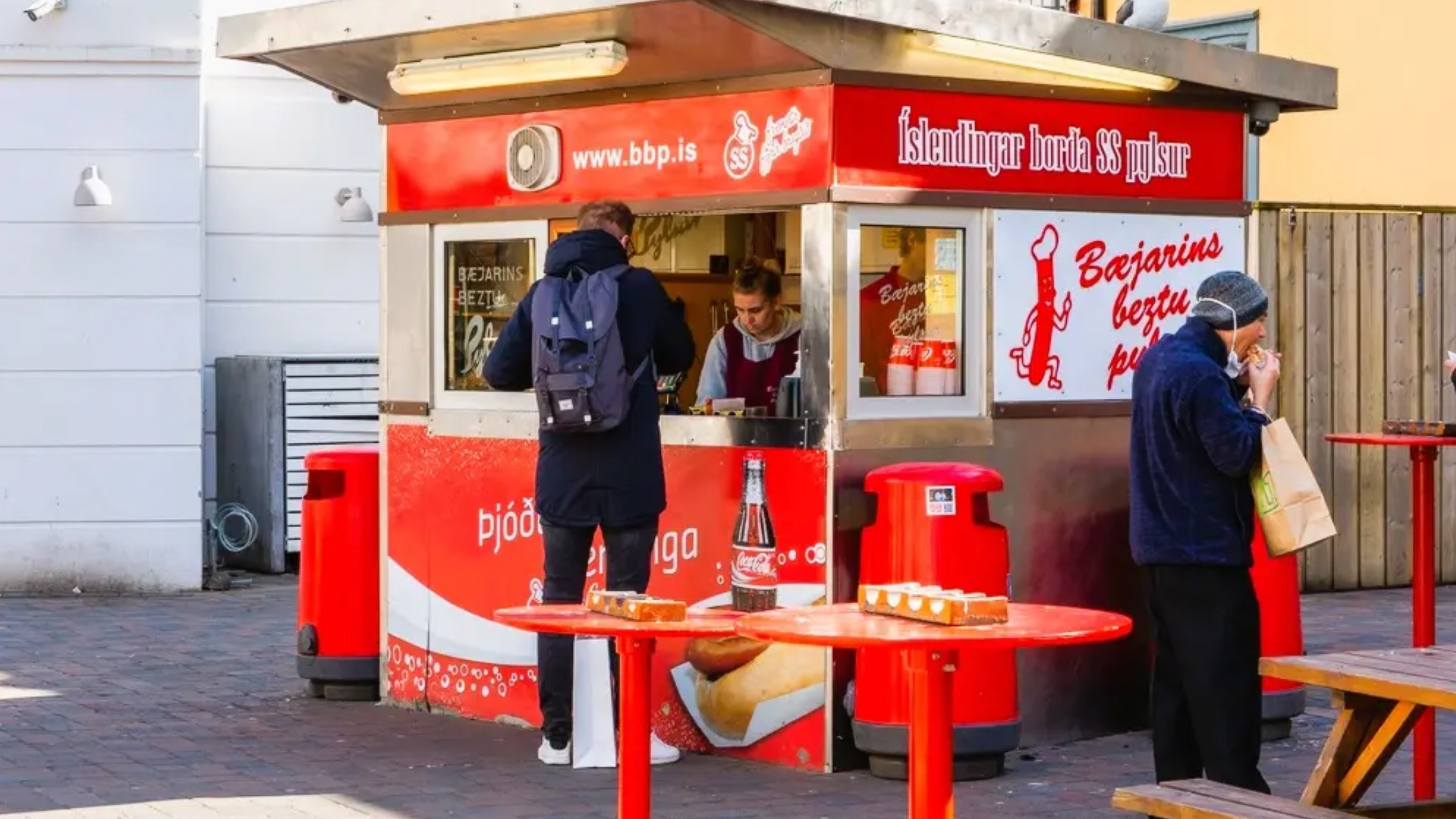
Image credit: Guide to Iceland
Bæjarins Beztu Pylsur is small, unpretentious, and consistently busy. Ordering “eina með öllu” translates to “one with everything” crispy fried onions, raw onions, ketchup, sweet brown mustard, and remoulade layered over the hot dog.
It is eaten standing outside, often late, without ceremony.
Even Bill Clinton once queued here. Some traditions require no reinvention.
The Waterfront: Light, Space, and Scale
Reykjavík reveals itself most clearly along its shoreline. Begin at Harpa, its geometric glass reflecting the shifting sky, then continue past the Sun Voyager toward the edge of the peninsula.
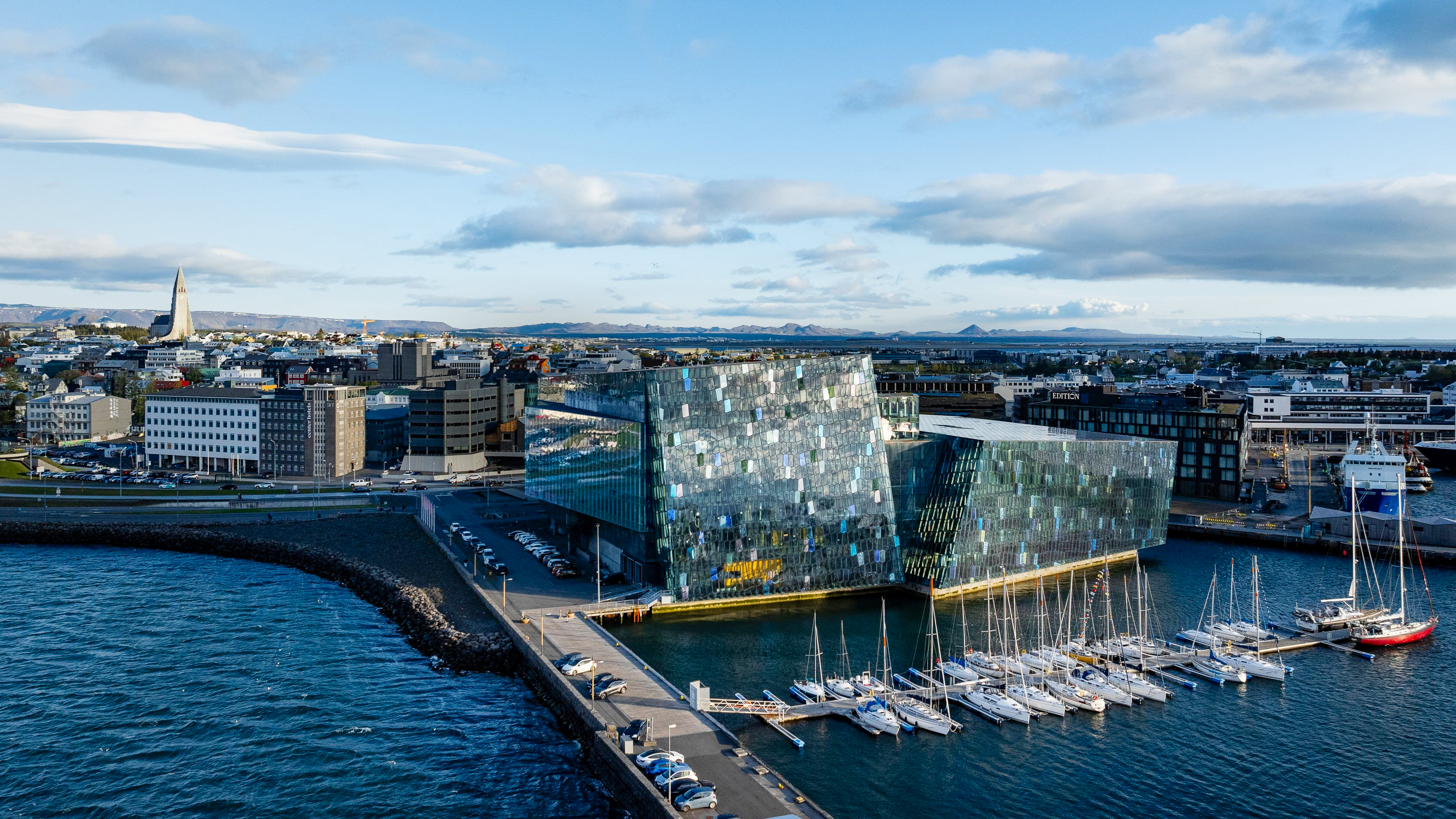
Image credit: Harpa
One of the best kept local secrets is to drive to Grótta Lighthouse at sunset, or beneath a clear winter sky in the search for northern lights.
Reykjavík rewards those who slow down. It is not a city built for spectacle, but for rituals - coffee before conversation, a soak in a geothermal pool, fresh bread straight from the oven, and a waterfront that shifts color by the hour.
Experience it this way, and the capital no longer feels like a gateway to Iceland’s landscapes. It feels complete on its own, self-contained, quietly confident, and entirely lived in.
That is Reykjavík, the local way.