Five small hotels that get every detail right, from the rooms to the restaurant to the moment you check in.
The best boutique hotels do not compete with big luxury brands by offering more. They win by being specific: a particular location, a point of view on design, a dining program that could not exist anywhere else. These five are worth knowing about before you book anything else
Hoshinoya Tokyo: The Urban Ryokan
Hoshinoya Tokyo solves a problem most luxury hotels in Japan cannot: delivering a real ryokan experience without leaving the city. Spread across 14 floors in Tokyo's Otemachi financial district, the hotel is designed by architect Rie Azuma with tatami floors, shoji screens, and cypress interiors throughout, including in the elevator. Each floor houses just six rooms, connected to a private lounge where guests receive tea throughout the day and sake in the evenings. On the rooftop, a natural hot spring draws water from 1,500 meters below the city and offers unobstructed views of the Tokyo skyline. The basement restaurant serves a tightly seasonal French-Japanese tasting menu at just ten tables, reserved exclusively for guests. Staff here hold a broader role than at most hotels, attending to the same guests across the front desk, dining, and cultural programming, from morning kendo on a nearby rooftop to sake tastings and tea ceremonies. If you have one Tokyo stay to spend, this is the one that actually stays with you.
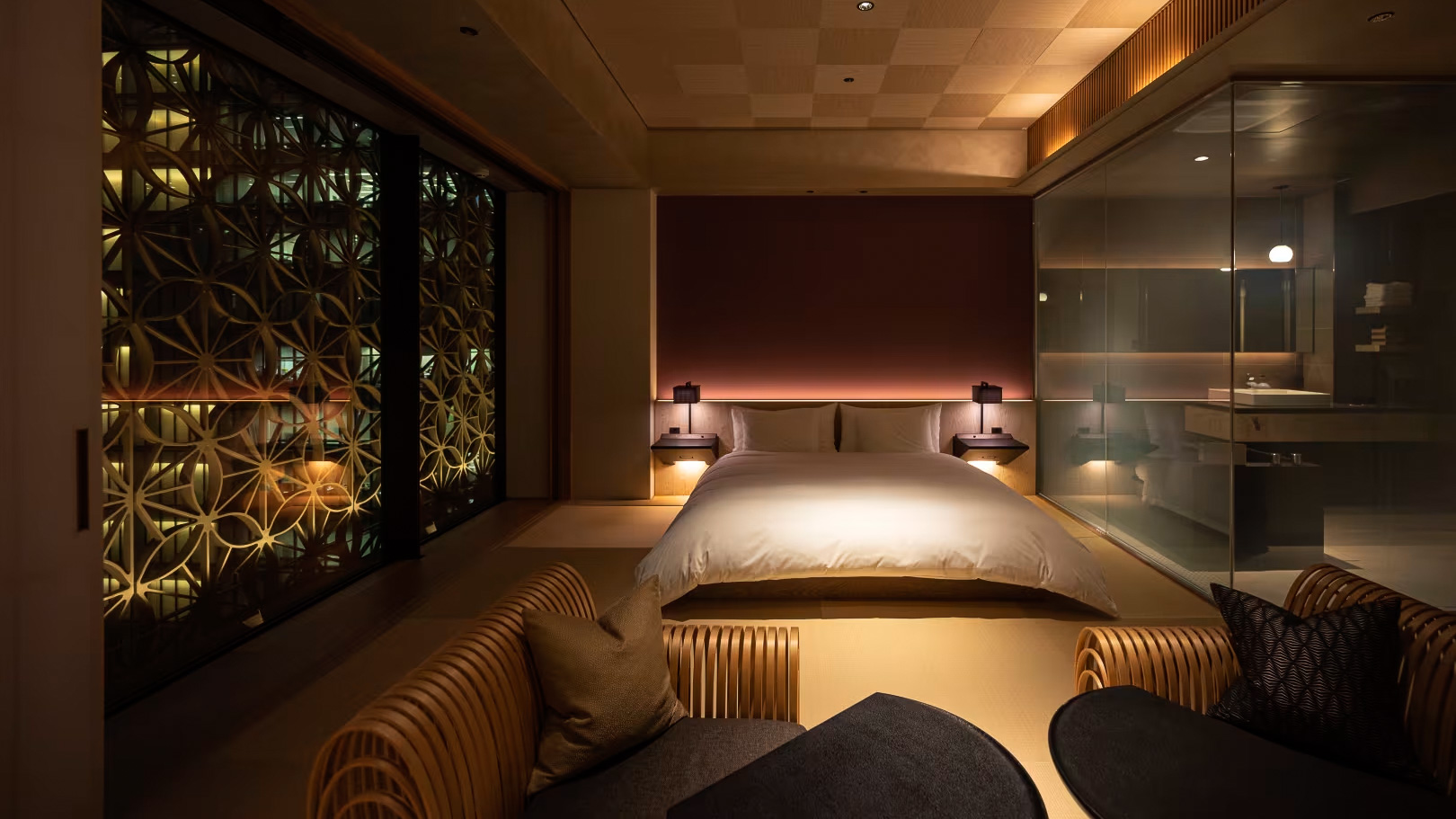
Image credit: Hoshinoya Tokyo
Passalacqua: The Lake Como Icon
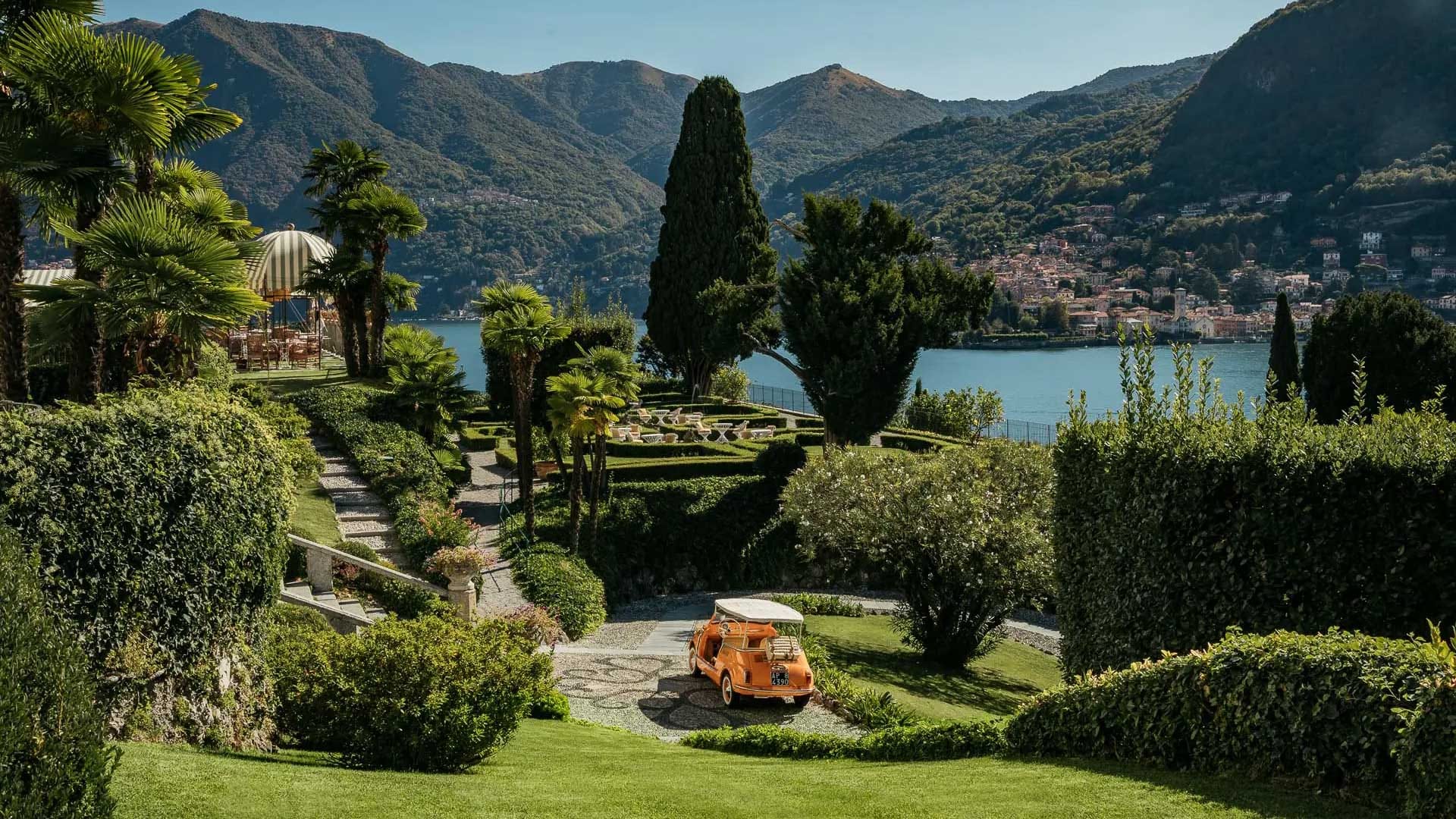
Passalacqua was named the best hotel in the world in 2023, and it is not difficult to see why people keep coming back. The 24-room property occupies an 18th-century villa above Moltrasio, set within seven acres of terraced gardens that descend to a private marina on the lake. Rooms are spread across three buildings, the main Villa, the Palazz, and Casa al Lago, each offering a different scale and atmosphere. Celebrated chef Viviana Varese leads the culinary program, where the kitchen door is left open for guests to wander in and see what is cooking. Breakfast arrives at a set table, served on multi-tiered trays of pastries, cured fish, local cheeses, and garden fruit. The free minibar is stocked daily with chef-made treats. Every room comes with a Smeg kettle, an Illy machine, and a Bluetooth sound system with three Passalacqua playlists, one of which plays Bellini operas on a loop in honor of the composer who wrote two of his most famous works here. A new spa opened beneath the property, with vaulted tunnels leading to a sauna, steam room, and indoor pool. This is a hotel that understands hospitality as something closer to hosting, and it shows in every detail.
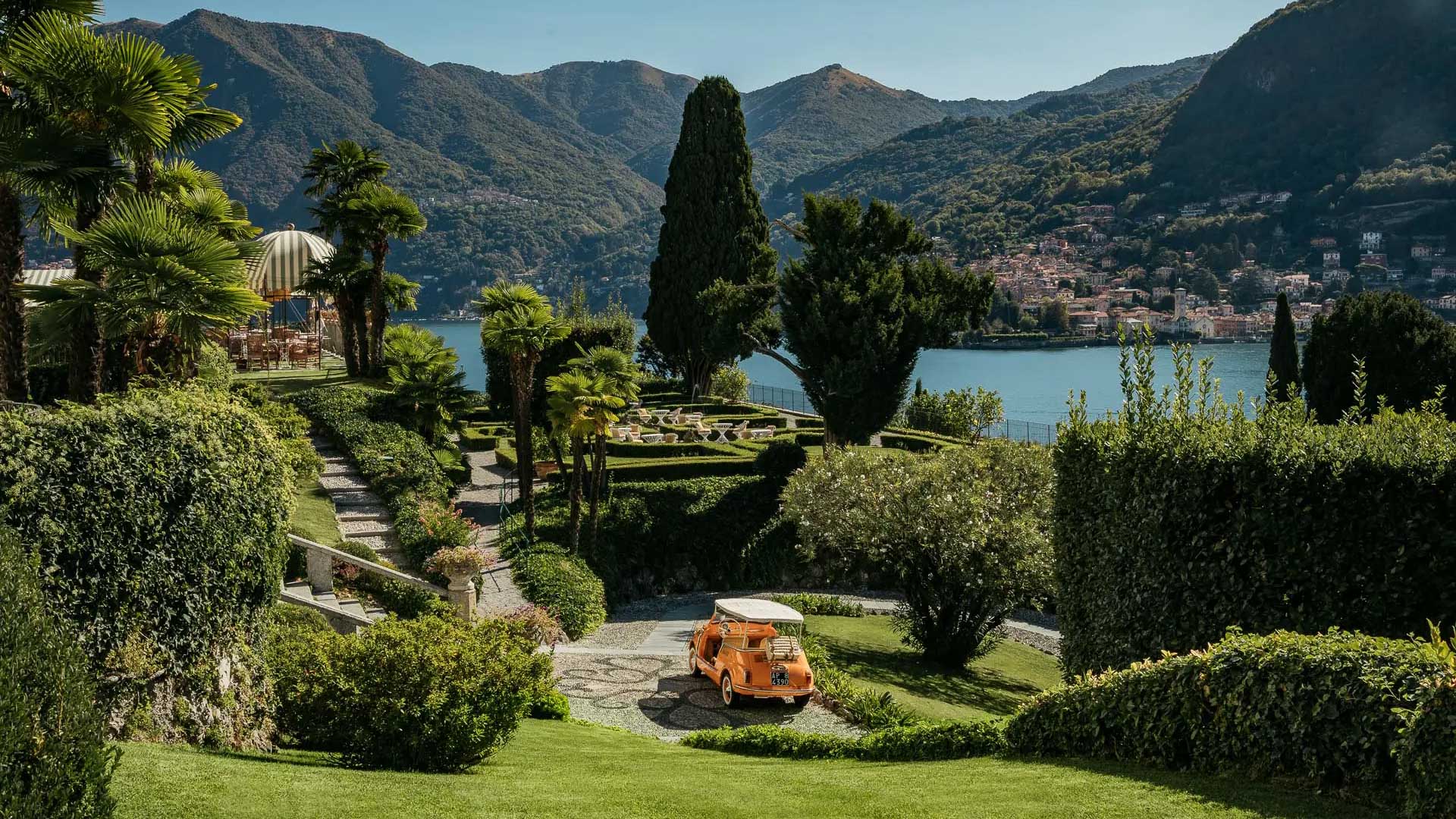
Image credit: Passalacqua
Château des Fleurs: The Champs-Élysées Hideaway
Paris has no shortage of boutique hotels, but Château des Fleurs earns its place at the top of that list with a design concept executed with actual specificity. Set in a 1910 mansion just off the top of the Champs-Élysées, the 37-room property was designed by Barcelona firm Quintana Partners as a tribute to the legendary Bal Mabille garden parties that once occupied the site. The interiors deliver on that premise: Art Nouveau details, Murano glass lamps, red-and-white tiled bathrooms, and corner Junior Suites with freestanding bathtubs overlooking the Haussmann streetscape. The bar, built around a rose-pink marble counter, serves floral cocktails by a dedicated mixologist. OMA, the hotel's restaurant, is helmed by Chef Ji-Hye Park, who fuses Korean and French techniques in a 20-seat dining room that feels like a discovery. The Omnisens spa in the basement, with its arched plunge pool and French naturopathic treatments, makes staying in a genuine option. For first-time visitors to Paris or repeat travelers who have outgrown the obvious luxury addresses, this is the one.
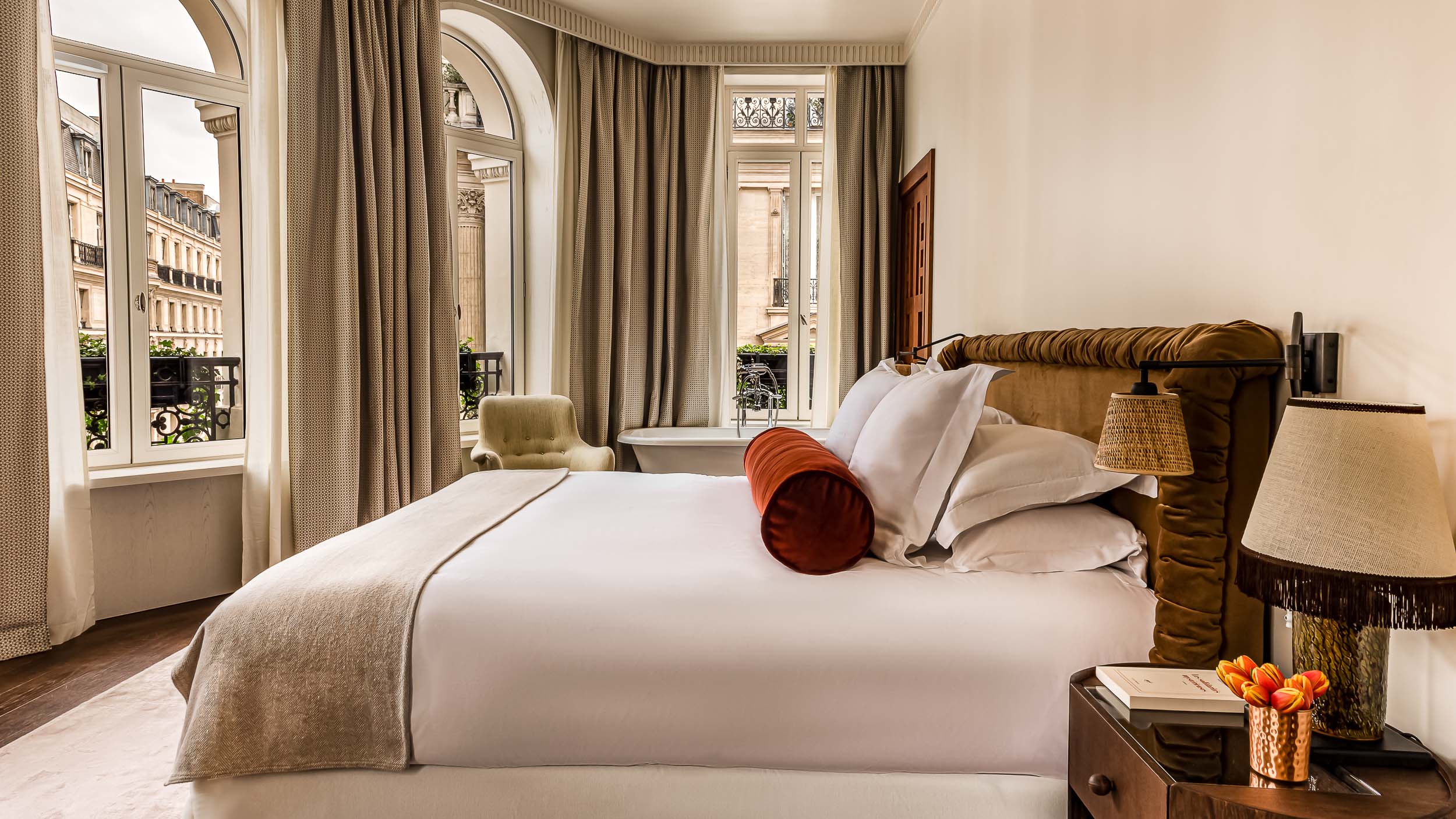
Image credit: Château des Fleurs
Wildflower Farms, Auberge Collection: The Hudson Valley Escape
A short drive from Manhattan, Wildflower Farms, Auberge Collection is the upstate property that makes you question why you live in a city at all. Spread across 140 acres in Gardiner, New York, the Auberge Collection resort is built from freestanding cabins, each designed with wood, hand-knotted wool, and glass walls that look directly onto the Shawangunk Ridge. The property holds a Michelin Key designation and was named the number one resort in New York by a major travel publication in 2025. Clay, the on-site restaurant, runs a farm-to-table program using produce from the property's own working fields, and the Thistle Spa integrates seasonal Hudson Valley ingredients into treatments. Ridge Suites come with private cedar hot tubs on their terraces. An indoor saltwater pool, three miles of hiking trails, tennis, and guided foraging round out a property that does not require you to leave it for the entire stay.
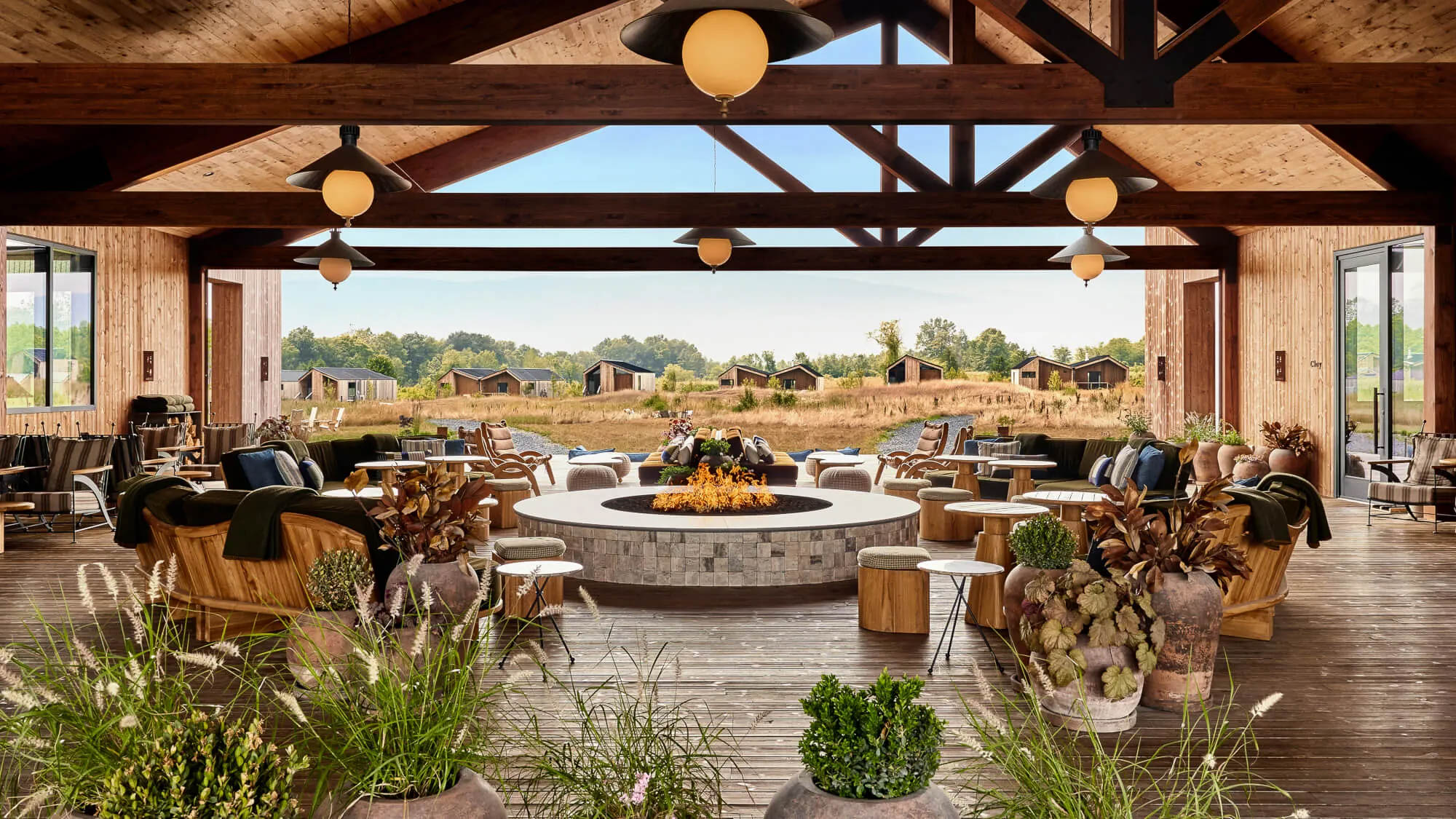
Image credit: Wildflower Farms, Auberge Collection
Chablé Maroma: The Riviera Maya Seclusion
There are many luxury hotels on the Riviera Maya. Chablé Maroma is the one people who have stayed at all of them tend to recommend. Set at the end of a quiet stretch of Punta Maroma beach, the property is made up of 70 privately designed villas, each with a plunge pool, retractable glass walls, and an outdoor terrace facing the jungle or the sea. Bu'ul, the hotel's flagship restaurant, serves contemporary Mexican cuisine using locally sourced ingredients, and a newer Michelin-starred program has elevated the dining well beyond what you'd expect for a beachfront stay. The spa is 17,000 square feet and surrounded by the jungle. What earns Chablé Maroma its reputation, though, is not any single feature but how everything fits together, including attentive service, serious food, and rooms that feel private in a way most beach resorts cannot pull off.
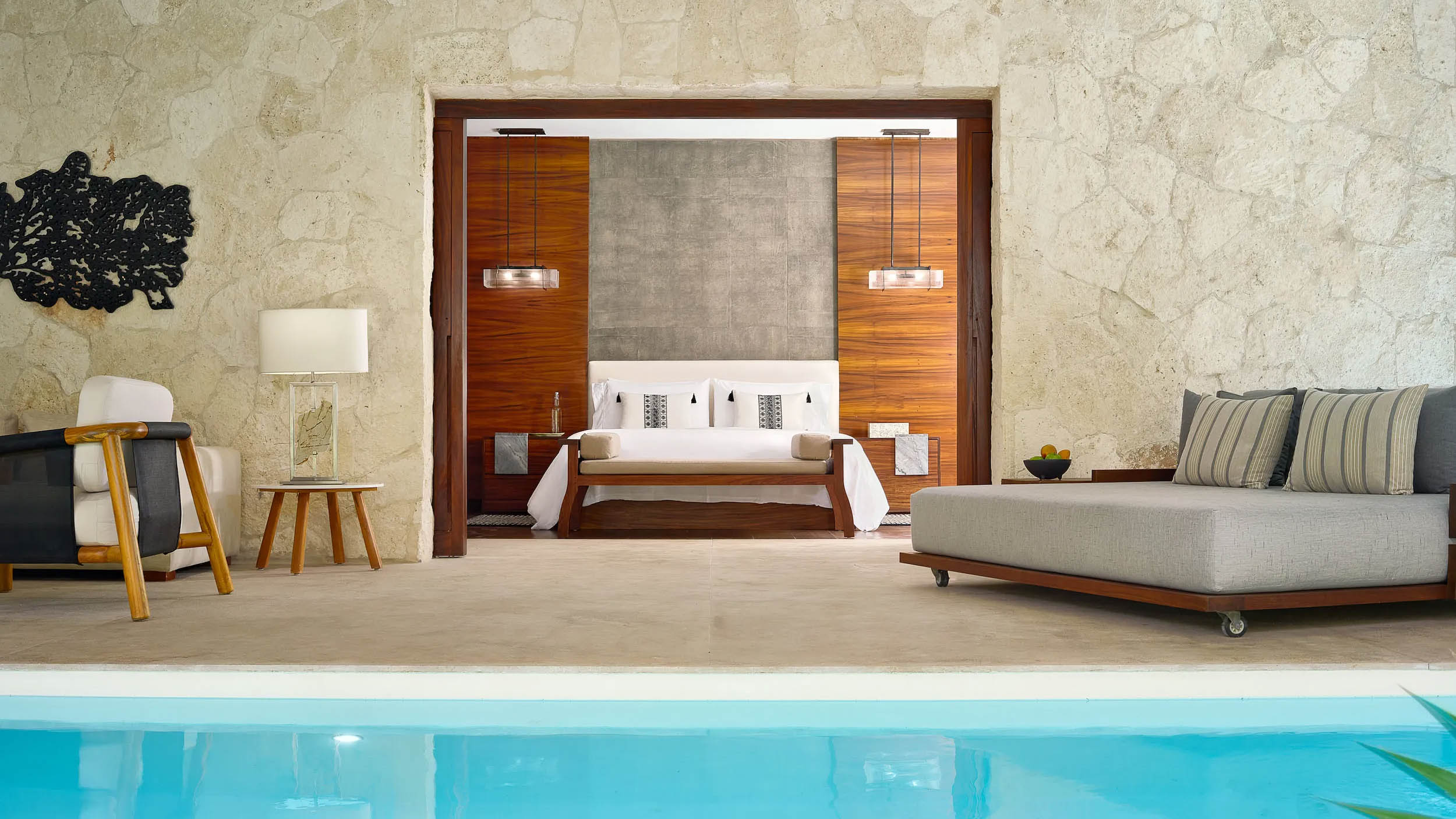
Image credit: Chablé Maroma