There's a specific kind of travel disappointment that has nothing to do with the destination itself: standing in a roped queue for a photo spot, eating a mediocre meal because it was the only table available, or realizing the "authentic local experience" you booked is shared with several hundred other people holding the same brochure. More travelers are opting out of that experience entirely, not by skipping the trip, but by skipping the specific place everyone else is going.
This isn't about avoiding good destinations. It's about finding the version of that destination that still delivers the scenery, the food, and the feeling, minus the crowd management. Here are four places doing exactly that.
Instead of Venice, try Chioggia
Chioggia sits at the southern edge of the same lagoon as Venice, about 25 kilometers south, and it has the ingredients that made Venice famous: real canals, narrow stone streets, boats tied up along the water. What it doesn't have is Venice's volume. Chioggia is a working fishing port first and a tourist destination second, which means the seafood is the actual local economy, not a menu translated for cruise passengers. The bell tower at Sant'Andrea houses what's recognized as the oldest still-functioning tower clock in the world, a detail most Venice itineraries don't have room for because they're too busy funneling through St. Mark's Square. Base yourself here or visit as a day trip from the mainland, and you get the lagoon without the queue for the Rialto Bridge.
Where we'd stay: Smart Hotel Mediterraneo

Image credit: Smart Hotel Mediterraneo
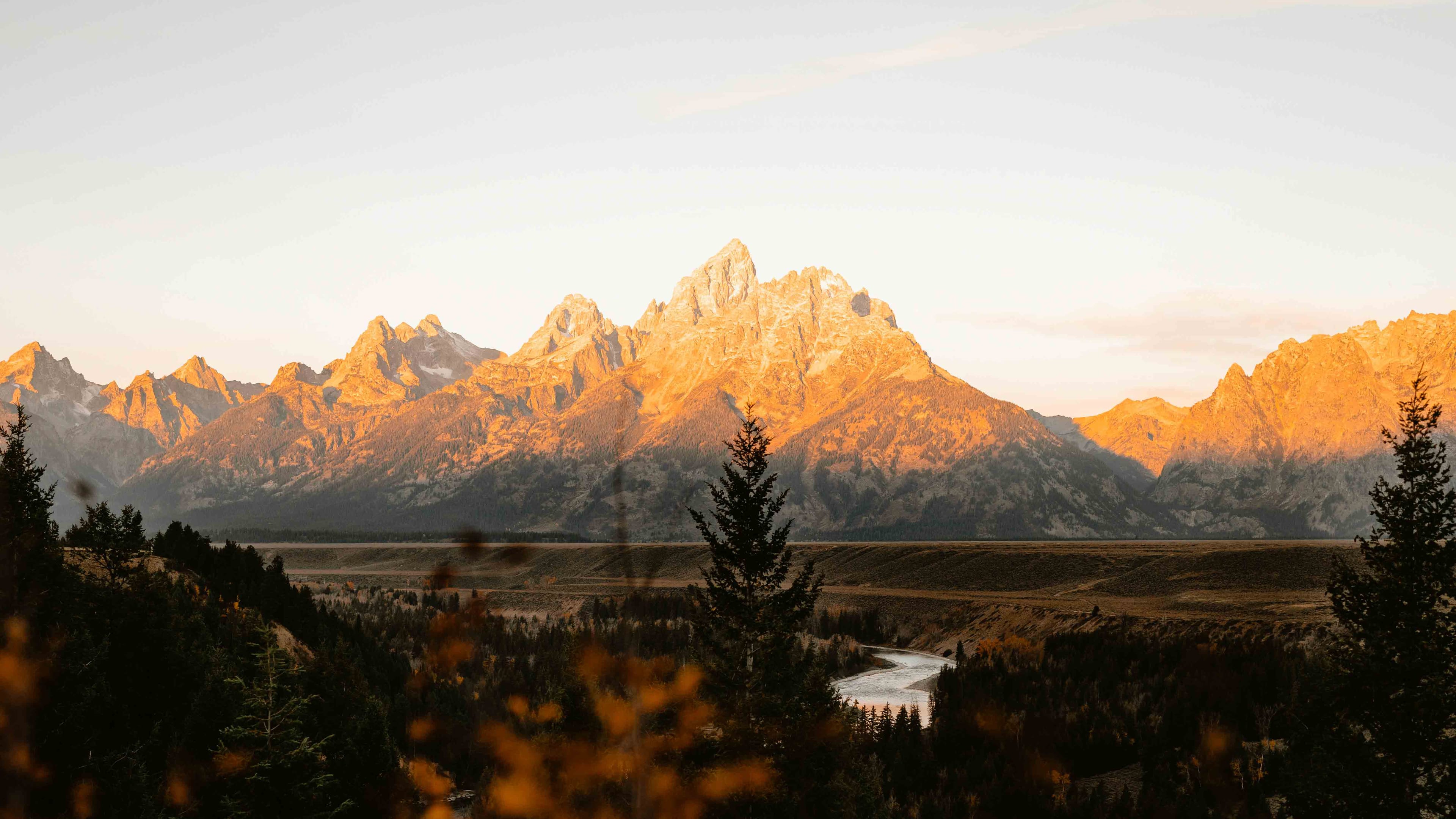
Instead of Mount Fuji, try Kamikochi
Fuji's popularity is exactly its problem: the 5th Station and the main climbing routes get genuinely overwhelmed in peak season. Kamikochi, a protected valley in the Japan Alps within Chūbu-Sangaku National Park, has been managing its own crowd problem since 1994 by simply banning private cars past the Kama Tunnel. Everyone arrives by shuttle bus or taxi, which caps how many people show up on any given day, something Fuji has never done. What you get in exchange is a valley nicknamed "the Japanese Yosemite," anchored by the Kappa-bashi suspension bridge over the Azusa River and Taishō Pond, a lake formed when a nearby volcano erupted in 1915. It's open mid-April through mid-November, with late July, August, and October foliage season being the busiest, though "busy" here is a different scale entirely than Fuji's high season.
Where we'd stay: Hoshino Resorts KAI Okuhida
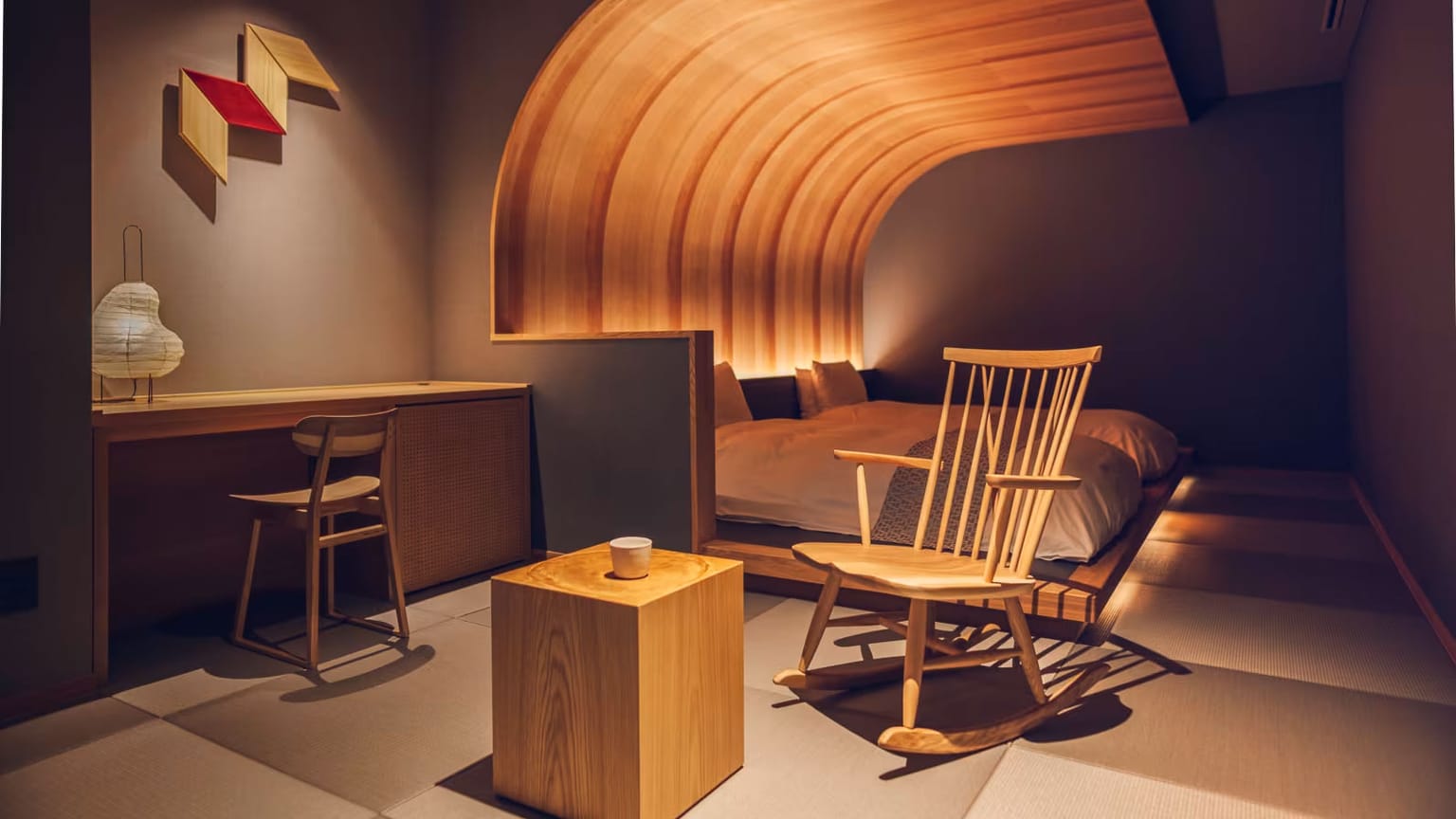
Image credit: Hoshino Resorts KAI Okuhida
Instead of Santorini or Mykonos, try Milos
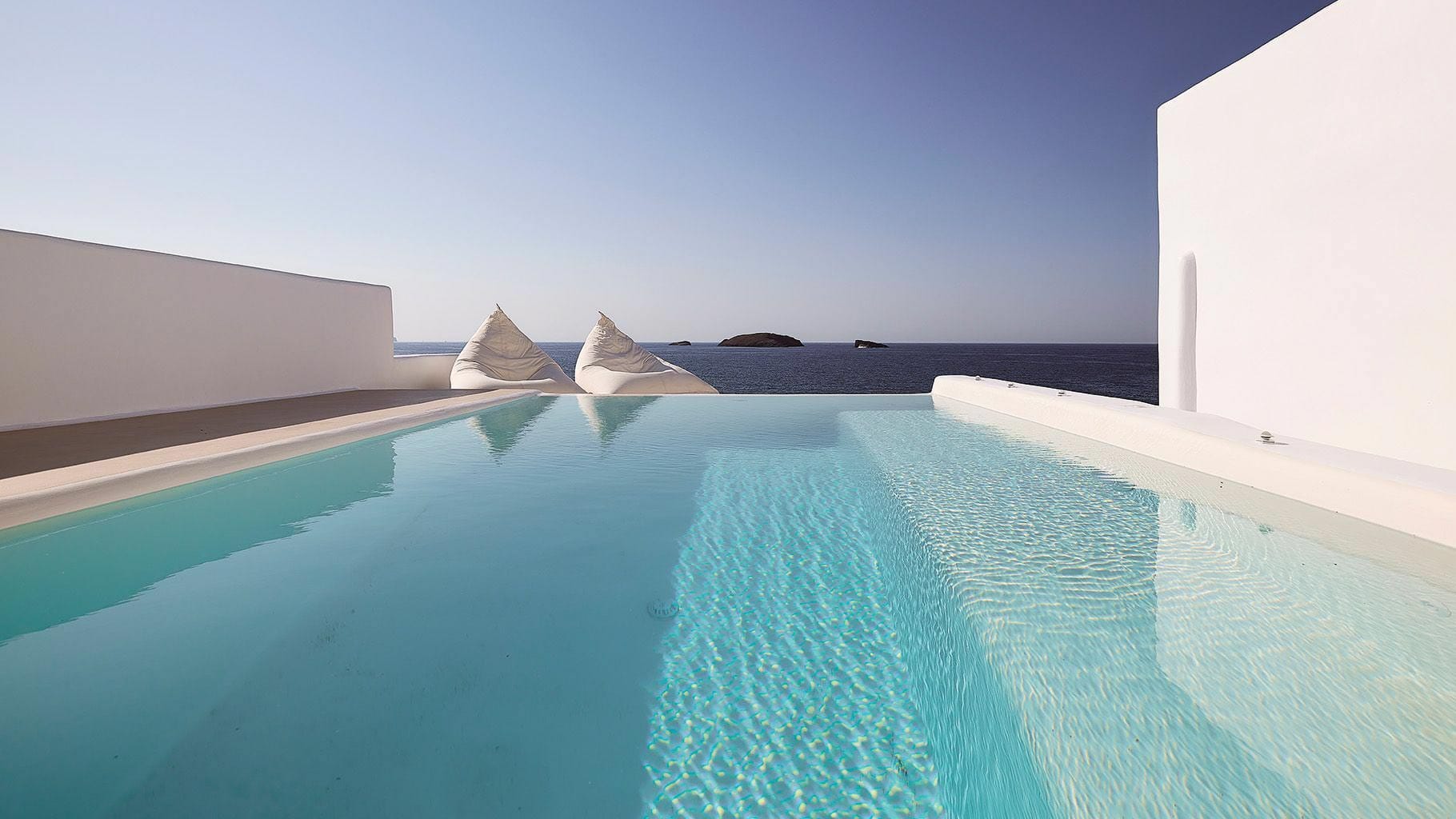
Milos has a population of about 5,200 people, which tells you most of what you need to know about how it compares to Santorini and Mykonos in peak summer. It's in the Cyclades, so the white-and-blue architecture and volcanic coastline are the same general aesthetic, but the pace is slower and the island hasn't been built out around cruise-ship turnaround schedules. The Venus de Milo, now in the Louvre, was found here, and Sarakiniko Beach's white, moon-like volcanic rock formations have become a quiet favorite for photographers who'd rather not fight for a spot on Santorini's caldera-view restaurants at sunset.
Where we'd stay: Infinity Villa Milos

Image credit: Infinity Villa Milos
Instead of Amsterdam, try Utrecht
Utrecht is the Netherlands' fourth-largest city and about 35 minutes from Amsterdam by train, which makes it an easy swap rather than a detour. Its Oudegracht canal has a feature Amsterdam's don't: wharf-level cellars and restaurants built directly at the waterline, so you're dining a few feet above the canal rather than looking down at it from a bridge. The Dom Tower, the tallest church tower in the Netherlands, anchors a compact old center that's genuinely walkable in an afternoon. It's a college town with its own energy rather than a scaled-down version of Amsterdam, which is part of why it works as more than a consolation prize.
Where we'd stay: Grand Hotel Karel V
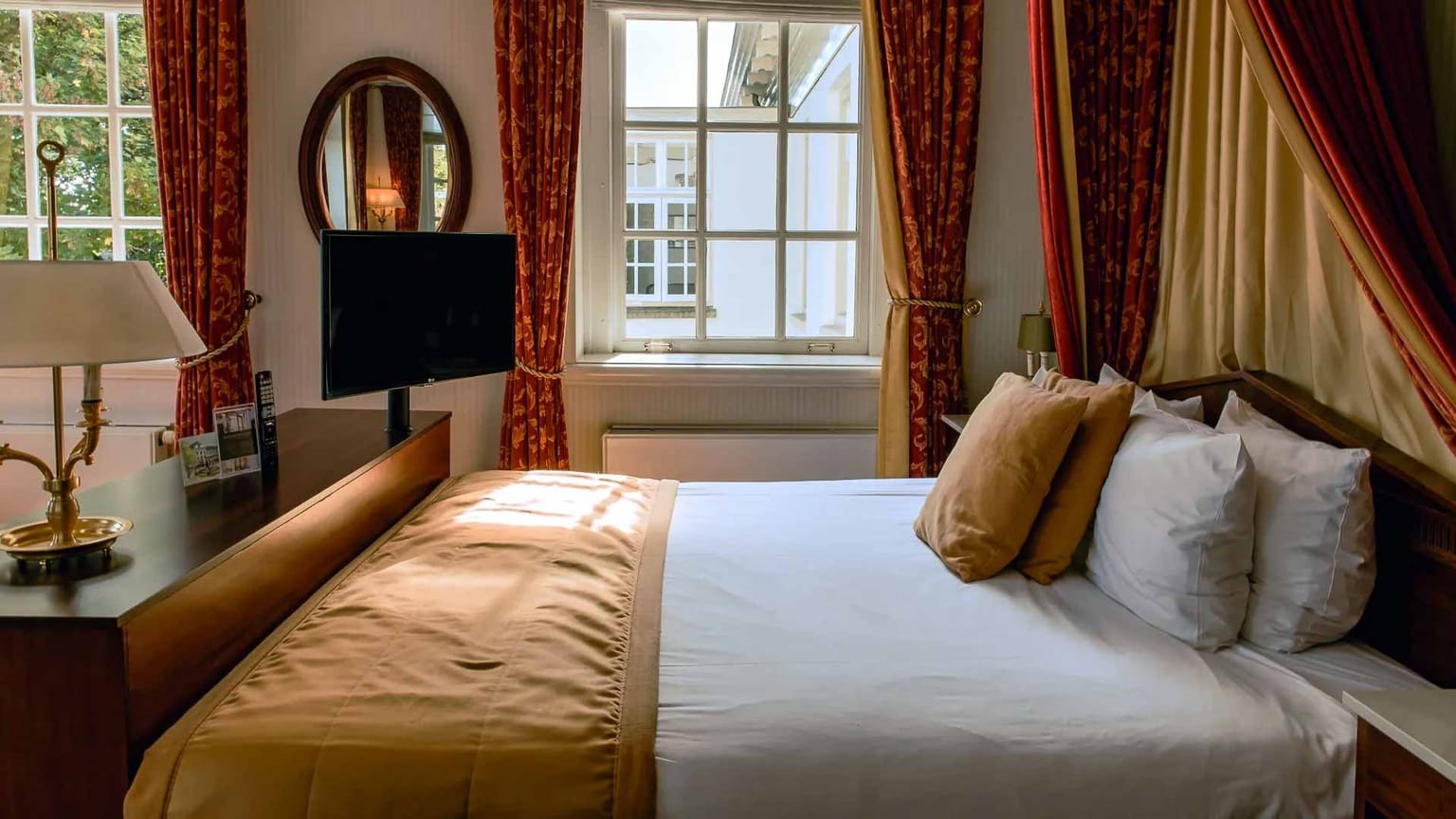
Image credit: Grand Hotel Karel V
Why this is worth acting on now
None of these swaps ask you to lower your expectations. They ask you to be slightly more curious than the average itinerary, and in return you get shorter lines, better service, and a trip that feels like yours instead of a shared experience with a tour group. The famous version of each destination isn't going anywhere. It'll still be there next time you want the postcard shot. This time, try the version that gives you the story instead.